Weddings are moments that celebrate love, and the details matter. For couples looking to create a lasting impression, 1960s-inspired monogram typography offers a refined way to express elegance through classic wedding invitations. This style draws from the clean lines and bold letterforms of the mid-century, giving a timeless feel that feels both nostalgic and modern.
Monograms with a 1960s twist often feature serif fonts, subtle flourishes, and balanced spacing. These elements combine to create an aesthetic that feels intentional and sophisticated. The design choices reflect a desire for simplicity with character, making them ideal for weddings that aim to blend tradition with a touch of retro charm.
People choose this style when they want their invitations to stand out without being overly complicated. A well-crafted monogram can convey a sense of heritage and personal style. It’s especially popular among couples who appreciate vintage aesthetics but prefer a more restrained approach than full retro designs.
One common mistake is using too many decorative elements that clash with the clean lines of 1960s typography. Overloading the design with excessive ornamentation can make the invitation feel cluttered. Another issue is choosing fonts that don’t match the era modern sans-serif fonts, for example, can break the visual consistency of a 1960s-inspired look.
When selecting a font, look for ones that have a strong structure and minimal embellishments. Classic serifs like Baskerville or Garamond work well, as do more stylized options that still maintain a sense of balance. Experimenting with different layouts can help find the right fit for the couple’s personality and wedding theme.
Pairing the monogram with complementary colors and paper textures enhances the overall effect. Soft pastels, deep navy, or rich burgundy can add depth without overwhelming the design. Adding a small emblem or border in a matching color can also reinforce the vintage feel.
For those interested in exploring similar styles, retro script fonts offer a different take on vintage design, while classic serif fonts provide a more traditional approach. Both options can be used alongside 1960s-inspired monograms to create a cohesive look.
Try experimenting with different font pairings to see what works best. Test how the monogram looks in various sizes and placements. Consider the overall message of the invitation and ensure the typography supports that tone. A simple, well-chosen monogram can make a big difference in the final result.
Next step: Explore font options that match the 1960s aesthetic. Look for Caslon or Bodoni for a refined, mid-century feel. Use these fonts in mockups to see how they translate to real invitations.
Get Started Elegant 1940s Monogram Fonts for Retro Bridal Stationery
 Elegant Vintage Retro Wedding Monograms for 1950s-Inspired Celebrations
 Elegant Classic Serif Wedding Monograms with Mid-Century Charm
 Elegant Retro Script Wedding Monograms for Vintage Rings
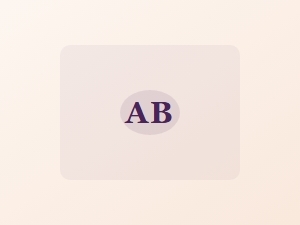 Elegant Classic Serif Monograms for Timeless Wedding Stationery
 Elegant Cursive Wedding Monograms for Vintage Elegance