Classic serif wedding monogram fonts with mid-century modern flair offer a timeless blend of elegance and retro charm. These fonts combine the refined structure of traditional serifs with the clean, geometric lines that defined design in the 1950s and 1960s. They work well for couples who want to celebrate their wedding with a nod to past eras while maintaining a polished, sophisticated look.
Wedding planners, designers, and couples often choose these fonts for invitations, place cards, and other stationery elements. The combination of classic and mid-century styles creates a unique visual identity that feels both nostalgic and modern. This approach is especially popular for weddings inspired by the 1950s or 1960s, but it also works for more minimalist or eclectic themes.
What makes classic serif wedding monograms with mid-century modern flair stand out?
These fonts typically feature strong, structured letterforms with subtle decorative elements. The serifs add a touch of tradition, while the overall design avoids overly ornate details. This balance makes them versatile for different types of weddings, from formal to casual. The mid-century influence often shows in the use of bold, clean lines and a sense of simplicity that still feels elegant.
For example, a font like Copperplate Gothic blends the sharpness of mid-century design with the grace of a serif typeface. It’s a good choice for couples looking to mix vintage and modern aesthetics without overwhelming the design.
When should you use this style of monogram font?
This style is ideal for weddings that aim to evoke a specific era or theme. If you’re planning a 1950s-inspired celebration, a mid-century modern monogram can tie together your decor, attire, and stationery. It also works well for couples who prefer a more subdued, classic look but want to add a bit of retro flair.
It’s important to consider how the font will appear in different formats. A monogram that looks great on a digital invitation might not translate as well to printed materials. Testing the font in various sizes and contexts helps ensure it remains readable and visually appealing.
Common mistakes to avoid
One frequent error is choosing a font that’s too busy or complex. Mid-century modern designs are meant to be clean and straightforward, so adding too many embellishments can make the monogram feel cluttered. Another mistake is using the same font for all elements of the wedding, which can lead to a lack of visual variety.
Some couples also overlook the importance of contrast. A monogram that’s too similar in weight or style to the surrounding text can get lost. Pairing it with a simpler font for body text often helps create a more balanced look.
Practical tips for selecting and using these fonts
Start by exploring fonts that have a clear connection to both classic serifs and mid-century design. Look for ones that maintain readability at smaller sizes, especially if you’ll be using the monogram on place cards or RSVPs. Testing the font in different colors and backgrounds can also help determine how it will appear in real-world settings.
Consider the overall tone of your wedding when making a choice. A more formal event might benefit from a slightly more ornate serif, while a casual gathering could work with a simpler, cleaner design. Mixing fonts thoughtfully can enhance the visual appeal without creating confusion.
How to find the right classic serif wedding monogram font
Many online platforms offer a wide selection of fonts that fit this style. Sites like Creative Fabrica and Adobe Fonts provide options that blend traditional and modern elements. You can filter by category, such as “wedding fonts” or “retro styles,” to narrow down your choices.
Looking at examples from other weddings can also give you a better sense of what works. For instance, fonts used in 1950s-themed weddings often share similar characteristics with mid-century modern styles. Similarly, 1940s-style fonts can provide inspiration for balancing tradition with contemporary design.
Once you’ve selected a font, test it in different formats. Print a sample to see how it looks on paper, and check how it appears on screens. This helps ensure it meets your needs across all aspects of your wedding planning.
Next steps: Choosing and applying your monogram font
After narrowing down your options, consider how the font will fit into your overall wedding design. Work with a designer or stationery vendor to ensure consistency across all elements. Keep the font’s readability in mind, especially for smaller text like addresses or dates.
Finally, don’t hesitate to ask for feedback from friends or family. Getting a second opinion can help you spot issues you might have missed. Once everything looks good, finalize your choice and move forward with confidence.
- Explore fonts that combine classic serifs with mid-century elements
- Test the font in different sizes and formats
- Pair it with complementary fonts for balance
- Check how it looks on both digital and printed materials
- Seek feedback before finalizing your choice
 Elegant 1940s Monogram Fonts for Retro Bridal Stationery
 Elegant Vintage Retro Wedding Monograms for 1950s-Inspired Celebrations
 Elegant 1960s-Inspired Monogram Typography for Vintage Wedding Invitations
 Elegant Retro Script Wedding Monograms for Vintage Rings
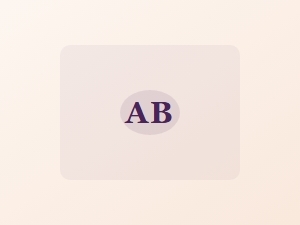 Elegant Classic Serif Monograms for Timeless Wedding Stationery
 Elegant Cursive Wedding Monograms for Vintage Elegance