Choosing bold contemporary monogram fonts for luxury wedding branding is about creating a visual identity that feels both modern and timeless. These fonts serve as the foundation for everything from invitations to signage, shaping how guests perceive the event’s tone and style. A well-chosen font can elevate a simple design into something unforgettable.
Monogram fonts are often used in high-end weddings to add a personal touch while maintaining sophistication. They work best when they reflect the couple’s personality and the overall theme of the celebration. For example, a minimalist wedding might pair a clean, modern font with subtle details, while a black-and-gold theme could use a more ornate typeface to match the opulence of the decor.
What makes a font “bold” and “contemporary”?
Bold fonts have strong, visible strokes that stand out without being overwhelming. Contemporary fonts often feature geometric shapes, sharp angles, or minimal serifs, giving them a fresh, modern look. When combined, these traits create a typeface that feels confident and up-to-date perfect for luxury branding where every detail matters.
Consider the balance between readability and style. A font that’s too decorative might be hard to read in small sizes, such as on a wedding invitation. Look for fonts that maintain clarity even when scaled down, ensuring the monogram remains legible at a glance.
How to match fonts with wedding themes
The right monogram font should complement the wedding’s aesthetic. If the couple is going for a minimalist vibe, a sans-serif font with clean lines might be ideal. For a more traditional or regal feel, a serif font with a bold weight can add elegance without appearing outdated.
Think about the color palette as well. A black-and-gold wedding might benefit from a font that has a slightly metallic feel or intricate detailing. On the other hand, a soft pastel scheme could pair well with a simpler, more restrained typeface.
Common mistakes to avoid
One frequent error is choosing a font that’s too similar to others. This can make the branding feel generic rather than unique. Another issue is using too many different fonts in one design, which can create visual clutter. Stick to one or two complementary fonts to keep the look cohesive.
Overcomplicating the design is another pitfall. A monogram should be recognizable at a glance. Avoid excessive embellishments or overly complex letterforms that might distract from the message. Simplicity often has more impact than complexity.
Practical tips for selecting the right font
Start by exploring font libraries that specialize in bold and contemporary styles. Sites like Creative Fabrica offer a range of options tailored for weddings. Try different combinations to see what feels right for the couple’s vision.
Test the font in different sizes and contexts. Print a sample or view it on a screen to ensure it works across all materials, from digital invites to printed programs. Ask others for feedback to get a sense of how the font is perceived.
Consider the font’s versatility. Will it work for both formal and informal elements of the wedding? A flexible font can be used consistently throughout the branding, reinforcing the overall theme without needing constant adjustments.
Next steps for finding the perfect font
Once the couple has a clear idea of their wedding style, they can explore specific font collections. For example, Bebas Neue offers a bold, modern look that works well with minimalist designs. Playfair Display brings a refined, elegant feel that suits black-and-gold themes.
Reviewing curated lists can help narrow down choices. The best bold contemporary wedding monogram fonts provide a starting point for couples looking for fresh, stylish options. Similarly, fonts for minimalist invitations can guide those who prefer a clean, uncluttered approach.
Finally, don’t hesitate to experiment. Try different fonts side by side, adjust spacing, and see how each option fits the overall vision. The goal is to find a monogram that feels both distinctive and appropriate for the occasion.
- Define the wedding’s overall style and theme
- Explore bold, contemporary fonts that match the vision
- Test fonts in various sizes and formats
- Avoid overcomplicating the design
- Use curated lists to find reliable options
- Get feedback from others before finalizing
 Bold Contemporary Wedding Monogram Fonts for Modern Couples
 Bold Contemporary Monogram Fonts for Minimalist Wedding Invitations
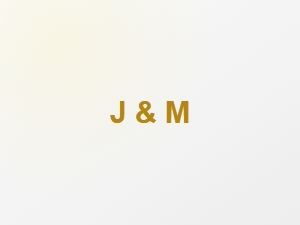 Elegant Bold Contemporary Wedding Monogram Fonts in Black and Gold
 Bold Geometric Serif Monogram Fonts for Modern Wedding Stationery
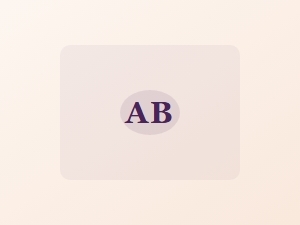 Elegant Classic Serif Monograms for Timeless Wedding Stationery
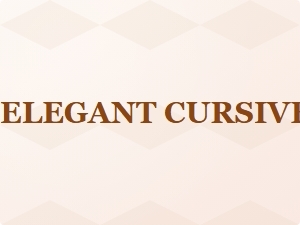 Elegant Cursive Wedding Monograms for Vintage Elegance